
Why This Ebola Outbreak Is Different - And What Your Blood Knows Before Symptoms Do
-
 Post By
Assem Aimaganova
Post By
Assem Aimaganova
- June 5, 2026
Epidemics are often measured in headlines: case numbers, death tolls, border spread. Yet behind every outbreak lies another story, one hidden in biology.
The current Ebola outbreak in the Democratic Republic of Congo is attracting global concern not only because of rising infections, but because this outbreak looks different and may expose one of healthcare’s greatest weaknesses: we often recognise danger only after an outbreak has already accelerated.
This outbreak involves the Bundibugyo strain of Ebola, which is a rarer type of the virus. Scientists know much less about it compared to the more familiar Zaire strain, which caused the 2014–2016 outbreak in West Africa, the largest Ebola disease outbreak to date, with more than 28,600 cases and 11,323 confirmed deaths.

While there are two vaccines for Zaire Ebola, there is currently no approved vaccine or targeted treatment for Bundibugyo Ebola. Fortunately, it is survivable, when infection recognised early and there is access to care, as six people in DRC and two in Uganda had recovered.
Another concern is that the virus might have spread for weeks or even months before anyone noticed. Standard rapid field tests only detect the Zaire strain, so early Bundibugyo samples tested negative and the outbreak spread quietly.
This raises an important question:
How many outbreaks become deadly not because we lack science, but because we notice the warning signs too late?
Ebola is more than a virus, it behaves more like a whole-body biological storm. The virus can trigger overwhelming inflammation, damage blood vessels, disrupt clotting, weaken immune defences, and stress organs including the liver and kidneys. This helps explain why two people infected with the same virus can have dramatically different outcomes, one surviving, one not, even when treated in the same ward.
Researchers are increasingly asking not only: “Who has Ebola?” but “Who is most at risk of dying?”
The answer may lie in biomarkers.
Biomarkers are measurable biological signals, clues hidden in blood that reveal what is happening inside the body, sometimes days before a patient visibly deteriorates.
In Ebola patients, researchers have identified several markers that appear to track closely with who survives and who does not.
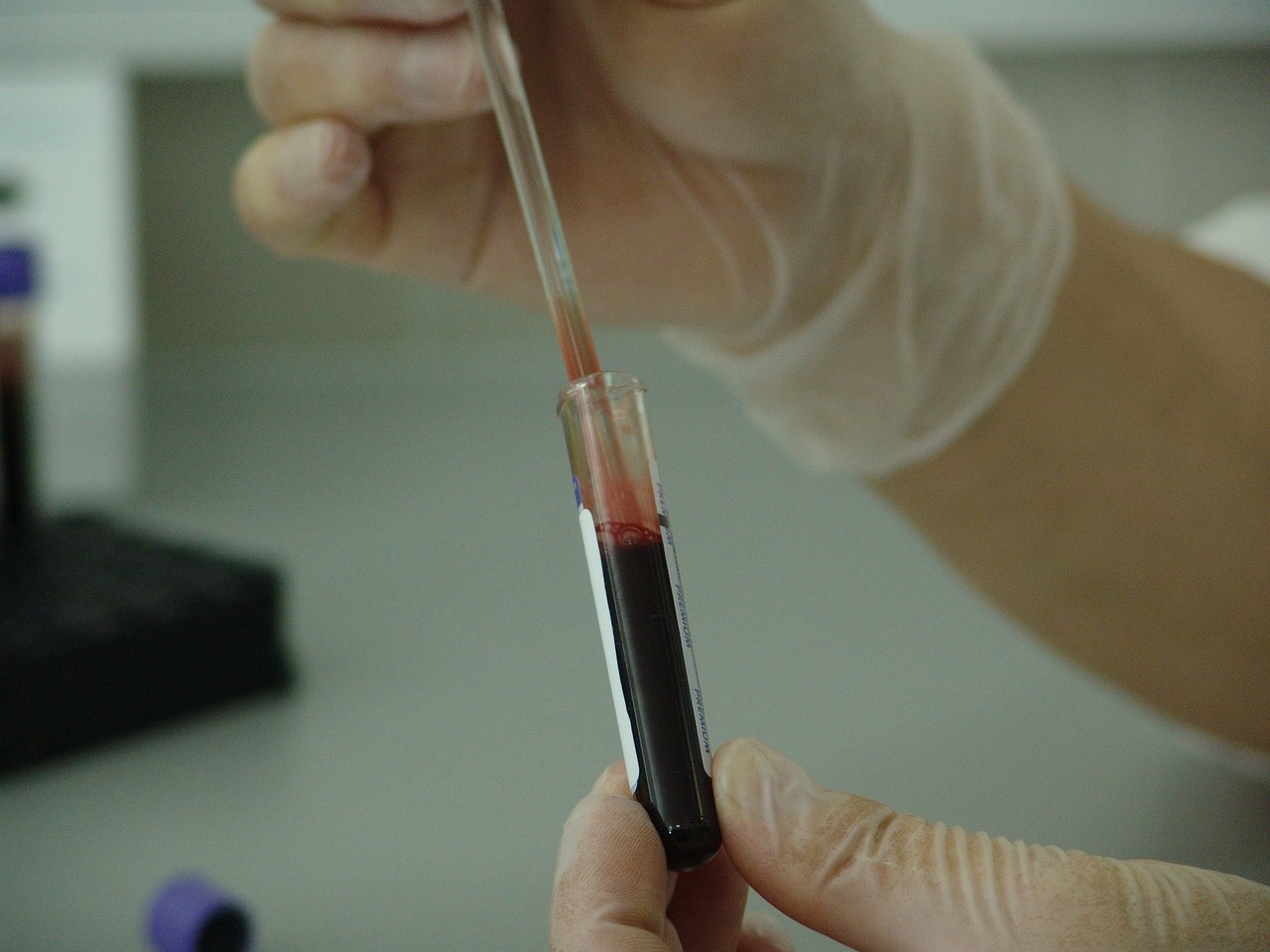
One promising signal is ferritin, a protein the body releases during inflammation. Studies across multiple Ebola outbreaks found that patients who died had strikingly elevated ferritin levels compared to survivors, particularly those who also developed haemorrhage. The same pattern has been observed in other severe viral infections, from dengue to Crimean-Congo haemorrhagic fever.
Another important signal under investigation is IL-6, a molecule released when the immune system escalates its response. In both Ebola and COVID-19, IL-6 levels rose sharply in patients who went on to develop the most severe illness. Alongside it, researchers have tracked IL-1, TNF-α, and several other inflammatory messengers, all of which were found overexpressed in fatal Ebola cases and continued rising until death, a pattern closely resembling septic shock.
There is also “viral load”, which shows the amount of virus circulating in the blood at the time of diagnosis. Scientists have long known that patients with higher viral loads are more likely to experience severe illness or die from Ebola. But newer research suggests that viral load may not tell the whole story.
Researchers are increasingly finding that “patterns of proteins in blood” may predict survival even more accurately. In one study based on samples from the 2013–2016 Ebola outbreak, scientists identified a “four-protein signature”, detectable early in infection, that predicted whether patients were more likely to survive or die better than viral load alone.
The goal behind all of this research is simple: identify high-risk patients earlier, before their condition rapidly worsens, so limited medical resources can reach those who need them most.
The COVID-19 pandemic accelerated interest in using biomarker patterns to predict who might deteriorate fastest. Simple blood markers, especially IL-6 and CRP, helped clinicians estimate who was at higher risk of intensive care admission or death, sometimes hours before clinical decline became visible.
And the same approach can help Ebola care. The challenge in outbreak settings is access: sophisticated lab analysis is difficult to perform rapidly in remote conflict zones. But that gap is precisely what the next generation of diagnostic tools is being designed to close.
Could AI Help Predict Severity?
Artificial intelligence is increasingly able to recognise hidden patterns in complex medical data, patterns too subtle or too multi-dimensional for human clinicians to identify quickly.
By analysing combinations of biomarkers, symptoms, clinical history, and even viral genomic data simultaneously, AI systems may help doctors estimate individual risk earlier and prioritise care faster. Not just asking “does this patient have Ebola?” but “how much time do we have?”
This is no longer science fiction. Prototype systems have already been tested in other infectious disease settings.
But technology alone is not enough. Prediction tools work only when patients are diagnosed early and when healthcare systems have the capacity to act on what those tools reveal.
The lesson from Ebola may be larger than Ebola itself. The future of outbreak medicine may depend not only on new vaccines and treatments, but on reading biological danger earlier, catching the storm before it is fully formed.
Ferritin levels. Inflammatory proteins. Viral load curves. These are not just numbers on a laboratory printout. They may be the earliest vocabulary in which the body describes its own crisis.
Because in diseases like Ebola, timing can mean the difference between recovery and tragedy. And biology often whispers long before it screams.
Comment / Reply From
Comments
You May Also Like

Recent Posts

Recommended Posts

Excellent article—informative, well-written, and easy to follow. I especially appreciated how it connected cutting-edge research with real-world public health challenges.